Supporting women and children with disabilities
Across Asia and the Pacific, nearly 108 million children with disabilities face enormous challenges due to stigma, inaccessible environments, or inadequate services. Children with disabilities are at higher risk for malnutrition, discrimination, and violence. But when policy and practice are built around the needs and rights of children with disabilities, communities can uplift and support their health.
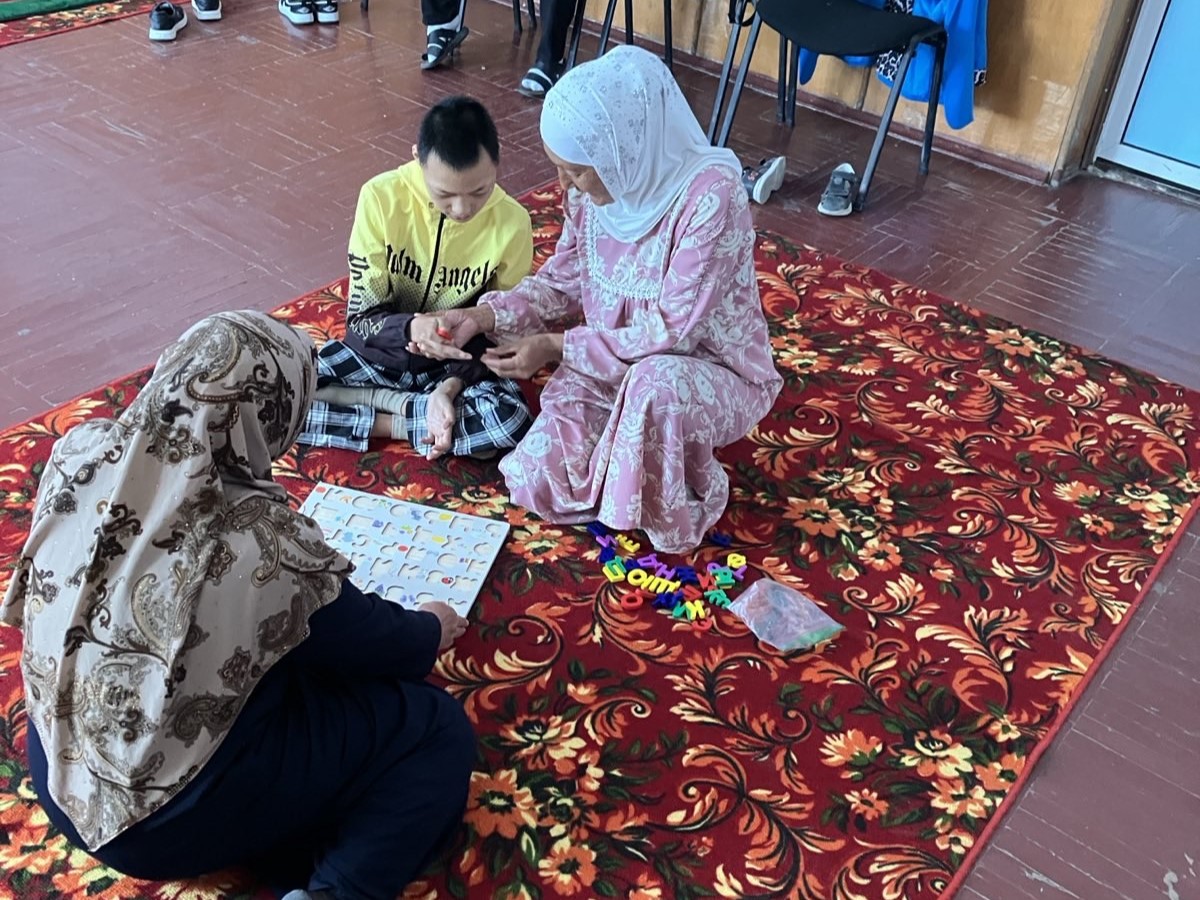
image courtesy of STLI
Hesperian’s partnerships in Central Asia have enabled us to make our disability resources available in local languages. For several years, we’ve been working with Serve. Teach. Learn. Innovate. (STLI), an NGO in Kyrgyzstan. STLI translated Hesperian’s Disabled Village Children into Russian and Kyrgyz to support parent groups of children with disabilities. The book offers localized, easy-to-use guidance that empowers communities to create more inclusive social systems. STLI distributes the information in rehabilitation facilities and runs workshops on community-based rehab to improve child development, promote social inclusion, make assistive devices, and care for children with severe disabilities. STLI‘s engaging workshops incorporate games, role-playing, and other participatory techniques that are both fun and encourage discussion.
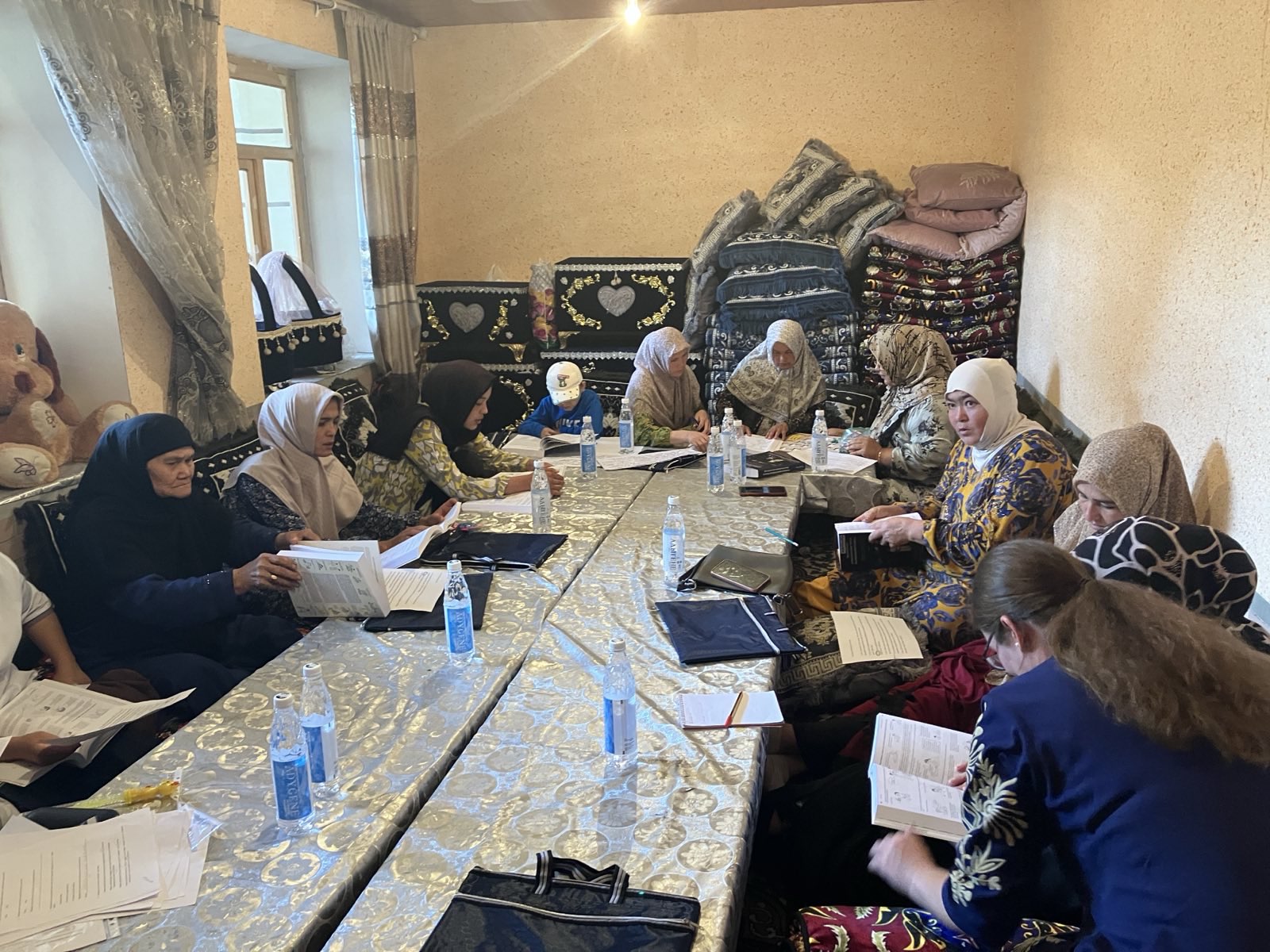
image courtesy of STLI
“It is so important that parents share their experiences,” the STLI staffer explained. “(Workshops) should be refreshing and hopeful, but there are also those emotional moments when, for example, a mother realizes that it is not her fault, that she gave birth to a child with a disability.”
Although it occurred in a Mexican mountain community, the story of how Enrique found friends resonated with Kyrgyz mothers who similarly are developing ways for their children to socialize with their peers. One mother of a girl with cerebral palsy realized that if she prepared a crafts table, other children would come to the table and join her daughter, a full-time wheelchair user, in arts and crafting activities. That both addressed her daughter’s needs and strengthened the community’s social bonds!
The full English, Russian, and Kyrgyz versions of Disabled Village Children are now available on our free HealthWiki library.
Hesperian’s A Health Handbook for Women with Disabilities supports women with overcoming barriers and advocating for increased accessibility and better health care. It is available for purchase in English, Spanish, and Nepali. The full resource is available for free on our HealthWiki in Arabic and French, and through a partnership with the Coordination of Humanitarian Assistance in Afghanistan, the first seven chapters have been translated into Dari.

